What is Demand Side Response?
Demand Response (DR), also called Demand Side Response (DSR), is an energy flexibility program that incentivizes electricity users to change their electricity consumption in response to a signal from the energy provider. Demand Response is a tool for moderating demand that falls under the broader umbrella of Demand Side Management.
There are many types of Demand Response programs, ranging from direct compensation-based programs for commercial and industrial customers to savings-based programs for consumer and retail customers. Participants are rewarded for their willingness to be flexible in their energy use in response to grid conditions or peak hours, while utilities gain a more reliable grid, avoid outages, and defer investments in additional generation capacity.
What is the purpose of Demand Side Response?
Demand Side Response programs typically focus on reducing electricity consumption during peak demand periods or in response to weather conditions that stress the grid, such as hot summer days or cold winter times, by increasing demand for cooling or heating.

The goal is to reduce demand for electricity in order to prevent outages and damage to the grid infrastructure or to avoid having to bring idle generation resources online, particularly if those resources are coal-burning generators. However, with the growth in renewable energy sources, utilities are exploring demand flexibility aimed at increasing consumption at times when solar or wind energy is abundant.
What is a Demand Response event?
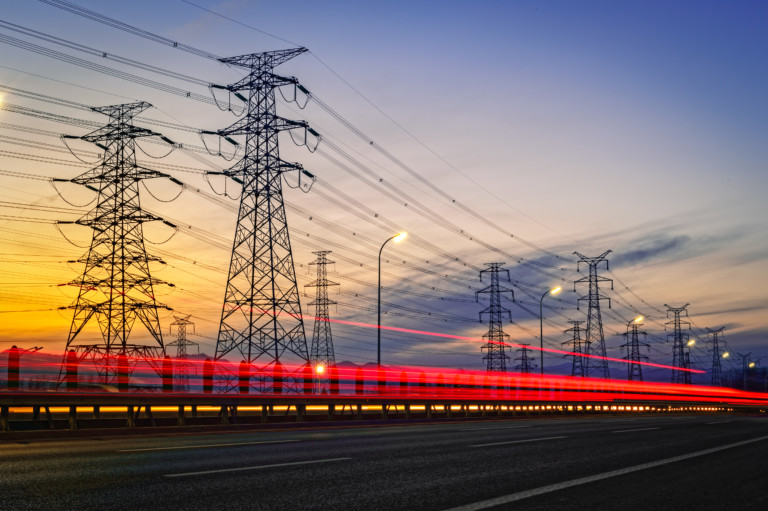
When a utility or grid operator anticipates that energy demand will exceed energy supply, it will declare a DR event and directly ask participants to reduce their energy demand during specified hours. Alternatively, a utility can designate peak time during which customers are asked to reduce energy use. Typically, peak hours are in the late afternoon and early evening (4 pm to 9 pm) when people get home from work, cool or heat their homes, use appliances, and charge electric vehicles (EVs).
What incentives are customers offered to participate in a Demand Response program?
Incentives for reducing energy use can take many forms. Utilities may pay customers directly or through billing credits for kW hours saved. Or they may employ time-of-use (TOU) pricing, charging sometimes significantly higher prices for electricity consumed during peak hours, to incentivize customers to defer energy use to off-peak hours.
What is the difference between active and passive Demand Response?
Active Demand Response programs require the participants to take manual steps to reduce energy use in response to a DR event declared by the utility. Passive Demand Response, also known as Automated Demand Response (ADR), occurs automatically, without customer intervention, using smart or connected technology that can be programmed, adjusted by the utility or the aggregation partner, or uses a timer-based setting in the device.
For industrial customers, for example, ADR combined with an energy management system could activate switch-over to onsite solar panels or battery storage for electricity during a DR event or reduce heating or cooling of an office building during peak times. ADR can help businesses reach sustainability goals through NetZero credits, LEED qualifications, and more. ADR programs can include incentives and rebates for equipment and installation costs.
Consumers can participate in ADR programs by using internet-connected thermostats, water heaters, EV chargers, or other devices that can be adjusted automatically to reduce energy consumption during peak hours. For example, a home can be pre-cooled or pre-heated before peak hours, and the thermostat turned up or down during peak times. Or, a utility or an aggregator can determine the lowest cost time to charge an EV or the time with the least impact on the grid.
Who manages Demand Response programs?
Demand Response programs originate with the utilities or grid operators who supply electricity. They may operate the programs directly with customers or work with independent aggregators or DR service providers that organize and execute customer participation on behalf of the utility. DR service providers often sell related equipment along with energy consumption management services. These include tracking and verifying energy use and reductions for industrial customers or providing automated services that adjust cooling, heating, or EV charging while still meeting the consumers comfort or driving requirements.
How do Demand Response and EV home charging work?
EV owners can install smart chargers at home and capture savings through participating in a utility’s Demand Response program for EV charging. Consumers can plug their cars in when they get home from work and set the smart charger to charge the EV during off-peak hours, typically late at night or in the morning. Or they can agree to let the utility control when the charger provides electricity to the EV. If needed for driving purposes, the owner can override the programmed settings.
What is Demand Response for EV charging networks?
Smart energy management software and smart chargers work together to enable EV charge point operators and EV fleet depot operators to participate in Demand Response programs. The smart EV charging energy management system can receive DR event notifications from the utility and moderate the site’s use of electricity to comply with the Demand Response program commitments.
It does this by reducing the charging capacity of individual charge points and lengthening the time to charge plugged in vehicles, while making sure that all vehicles get enough charge for planned operations. The system can also draw on onsite renewable energy sources such as solar panels or onsite batteries, blending these power sources with allowable power from the grid to charge vehicles during peak times. These capabilities can be fully automated or managed manually.